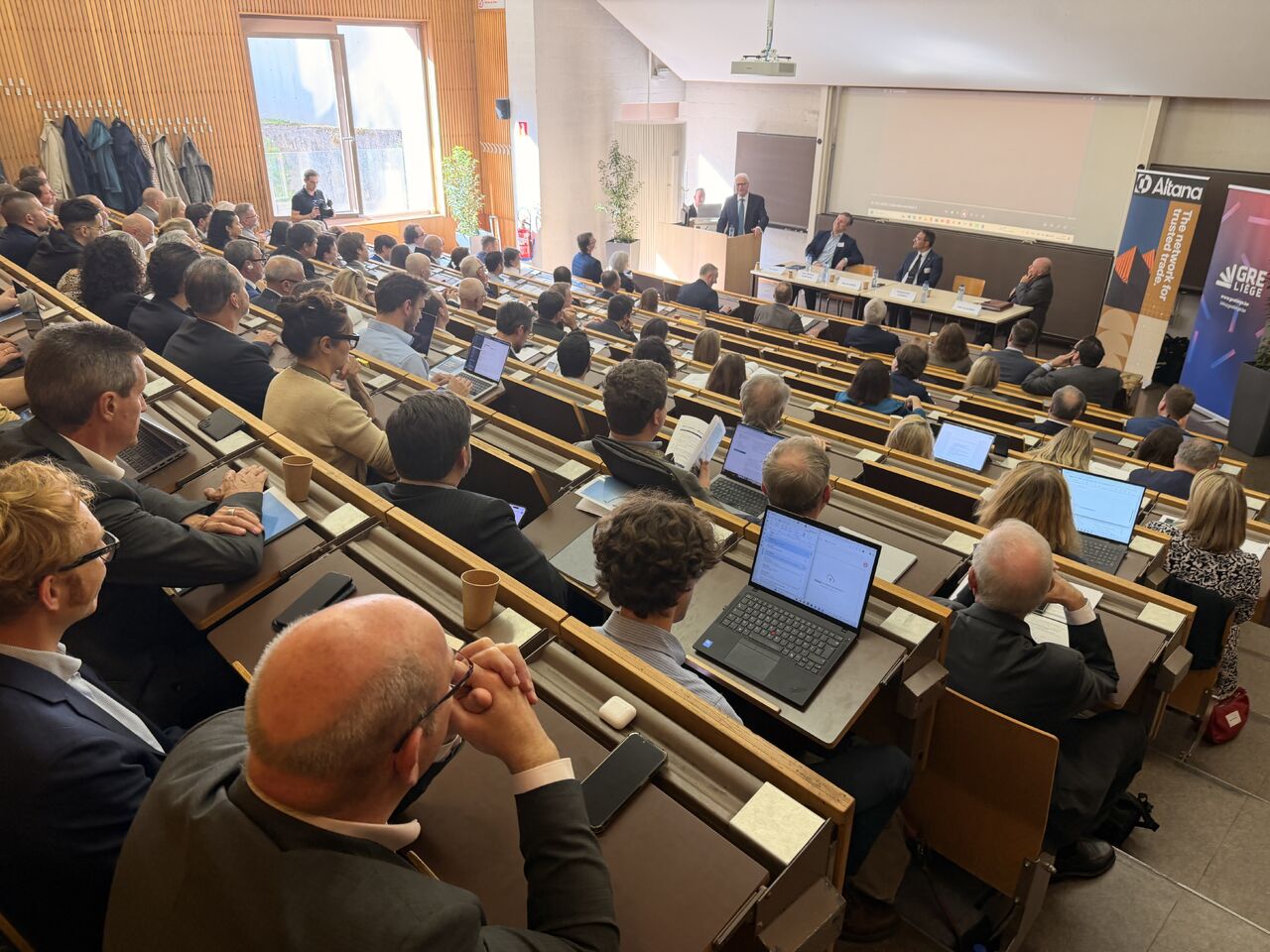
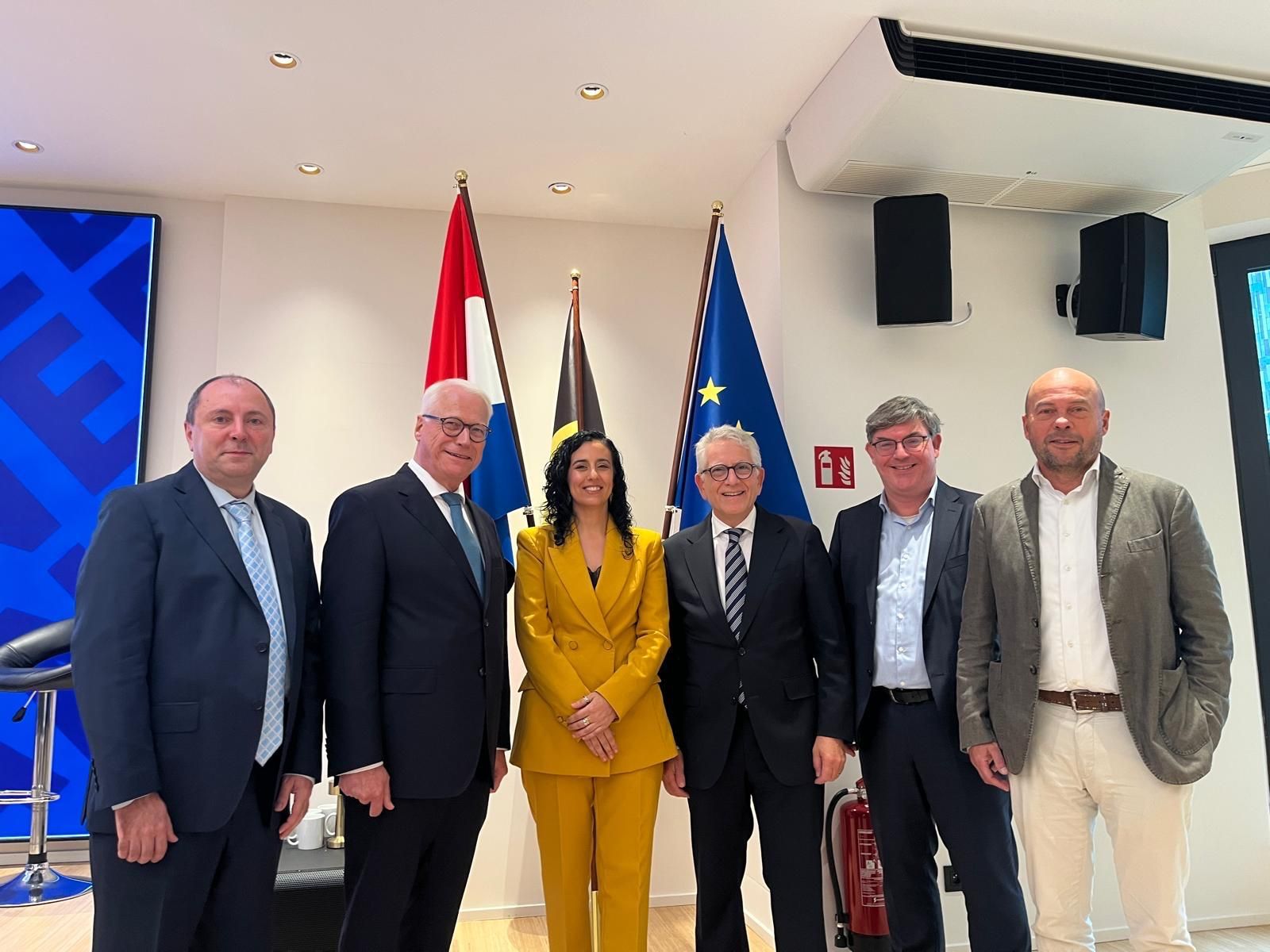
Prof. Wolffgang at the German-British Customs Summit in London
October 24, 2026
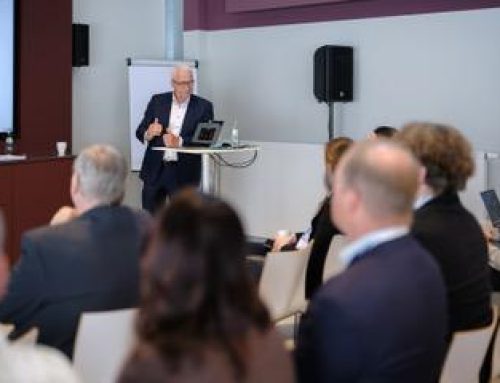
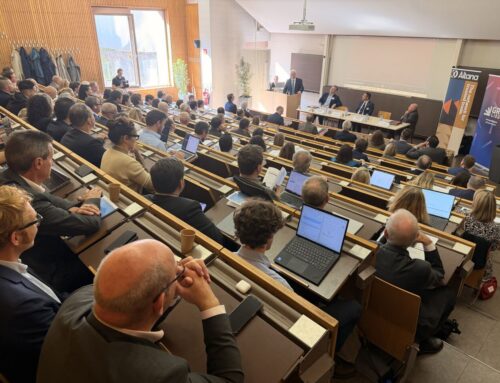
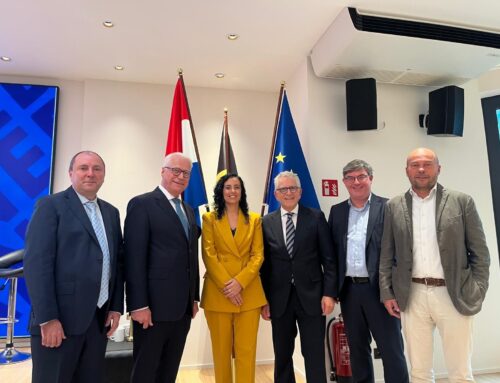
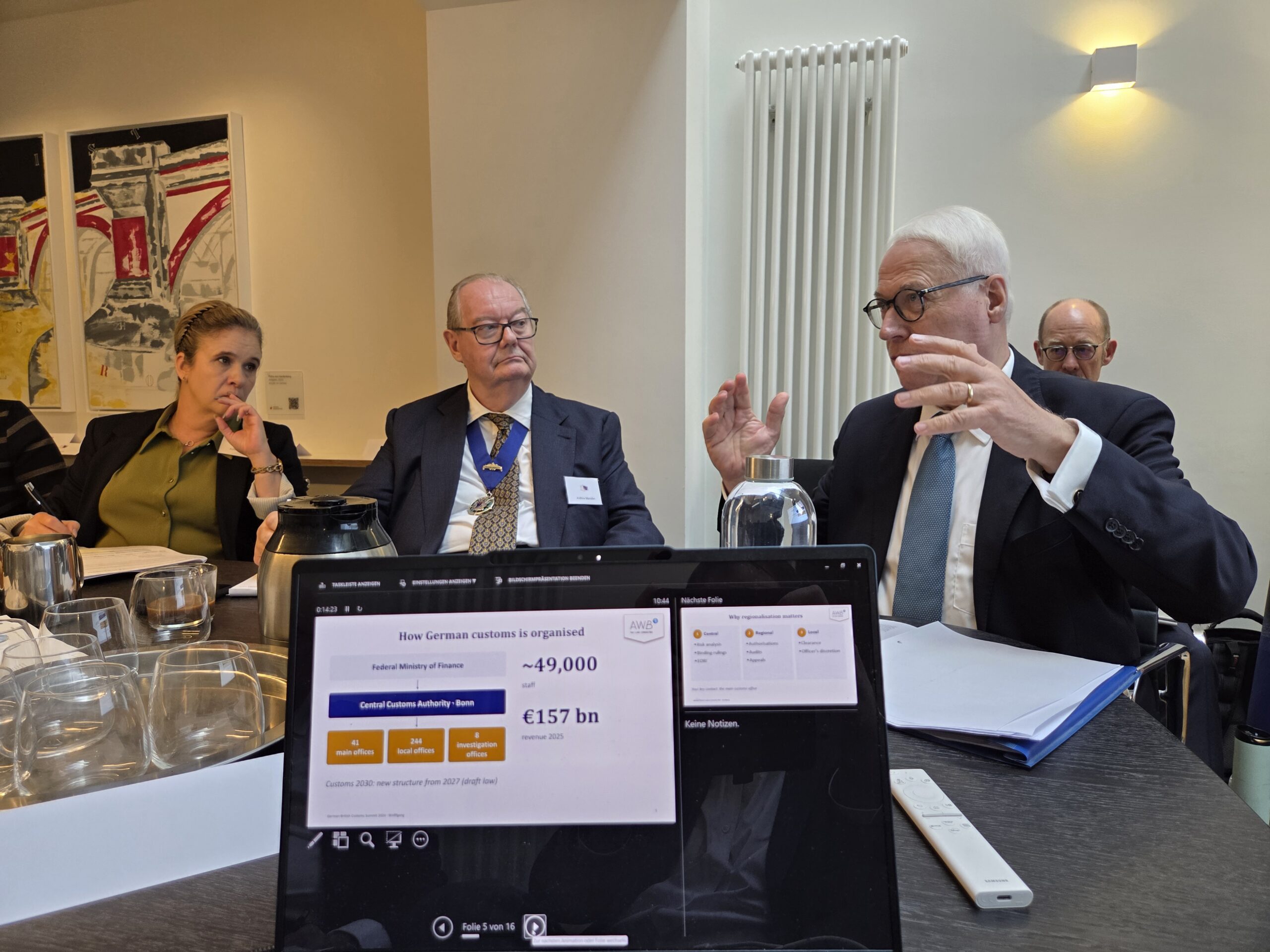
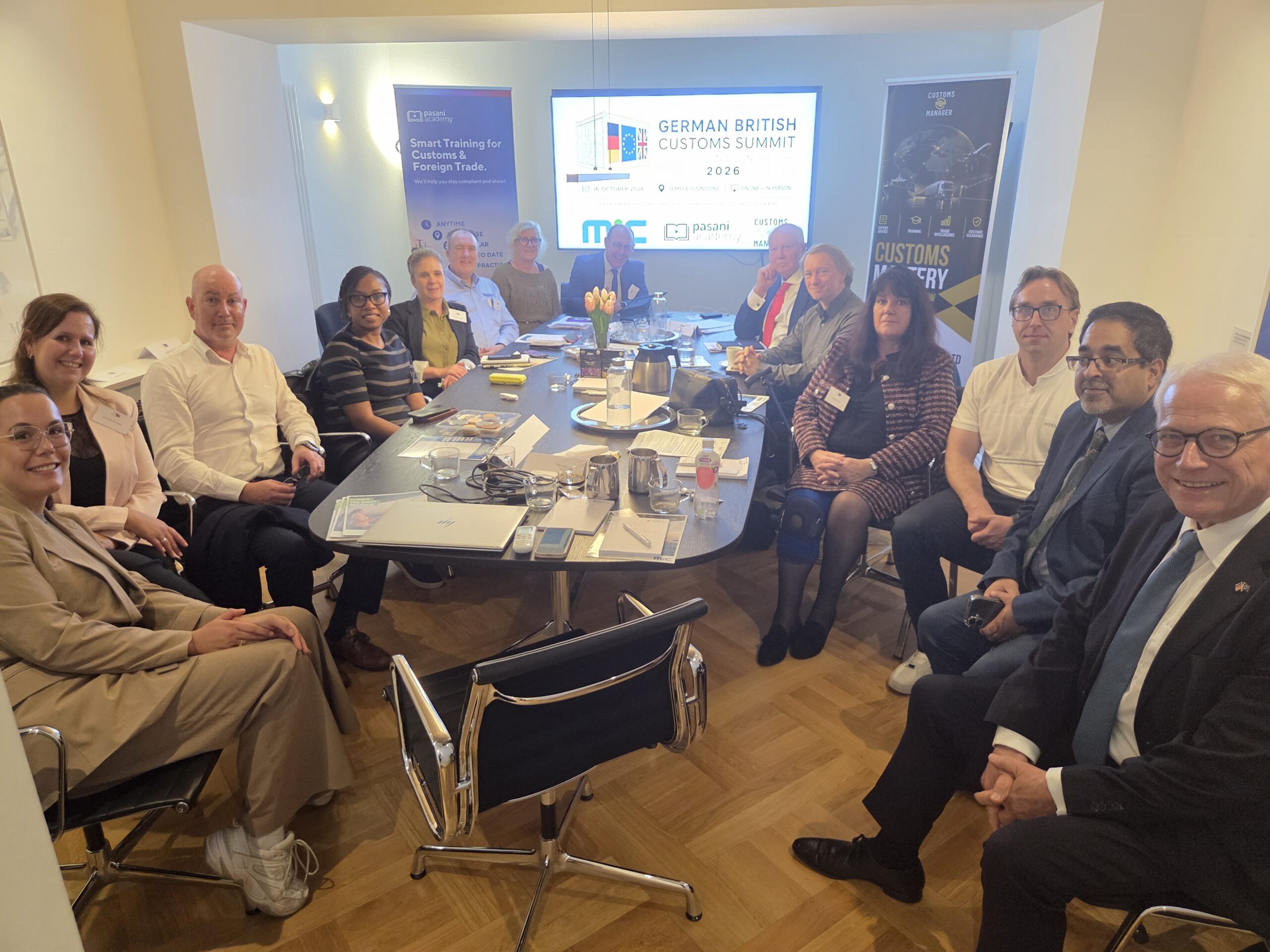
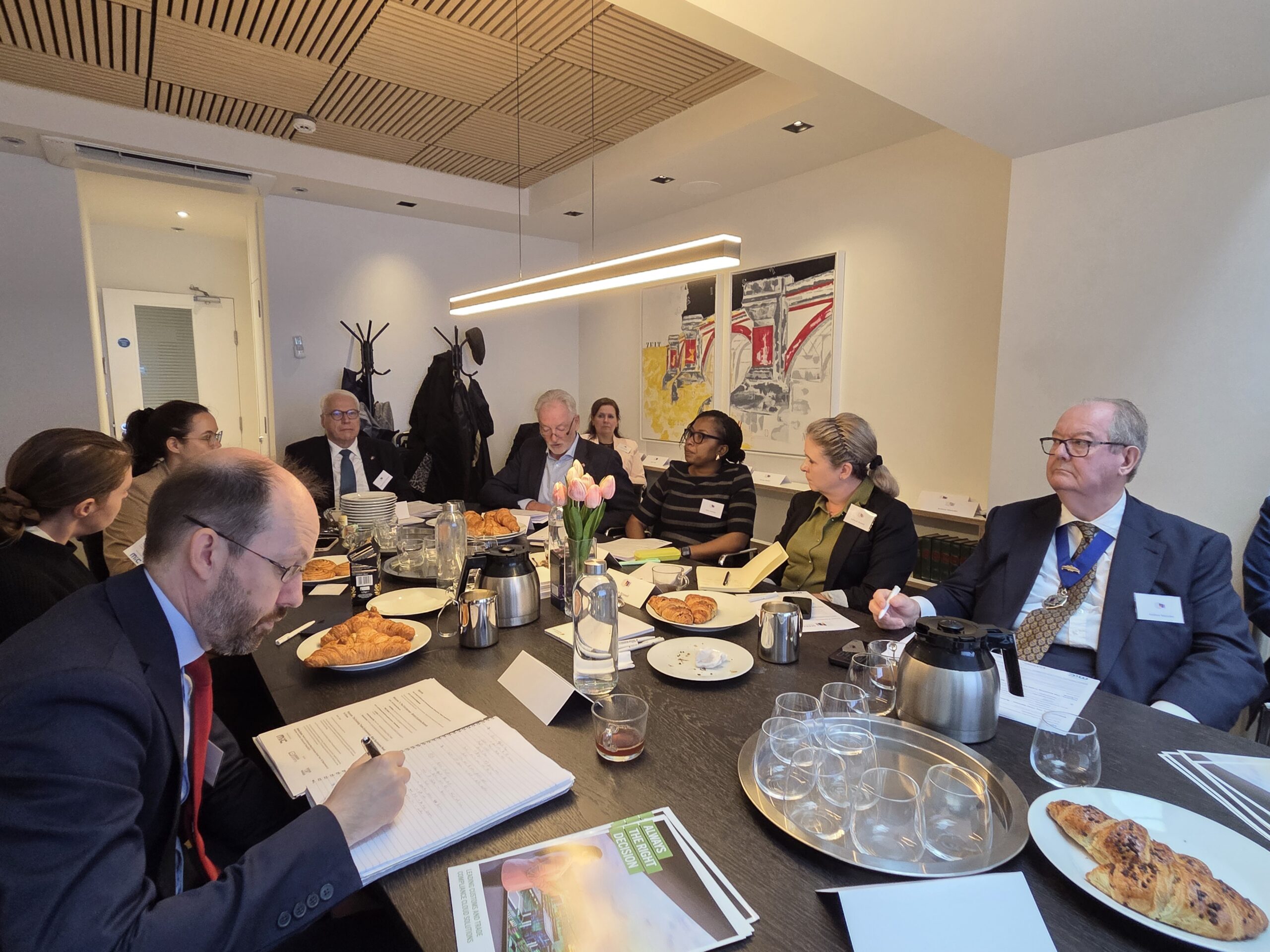
The first German-British Customs Summit took place at the German Business Hub in London on 16 October 2026. It was organised by Customs Manager Ltd. It brought together representatives of public authorities, trade associations, consultancies and universities, along with customs and supply chain managers from companies across a range of sectors and was set up as a forum for exchange. Prof. Wolffgang opened the morning session with a presentation entitled “How German Customs Works – and What the EU Customs Reform Means for German-British Trade”.
He began by recalling the weight of bilateral trade and the Kensington Treaty on friendship and cooperation, which left existing border procedures unchanged.
In customs law, law-making and enforcement lie in different hands. The EU sets the legal framework through the Union Customs Code, the tariff, customs valuation, rules of origin and the Trade and Cooperation Agreement with the United Kingdom. Germany is responsible for enforcement, organisation, appeals, the courts and criminal tax law. The German customs administration comes under the Federal Ministry of Finance and runs from the Central Customs Authority in Bonn through the main customs offices to customs investigation; a reorganisation is planned under the heading “Customs 2030”. Physical checks at the border, Prof. Wolffgang said, are a rare exception; compliance is decided in a company’s accounts, not at the border. For UK businesses he recommended four practical steps: appoint an indirect representative with an EU EORI number, secure proof of origin for preferences under the agreement, use the English-language customs enquiry service, and make early and complete disclosures if errors occur.
The EU customs reform will arrive in phases: from the new EU Customs Authority through the gradual launch of the EU Data Hub and the end of the duty exemption for low-value consignments to the full transition to the Data Hub and Trust and Check Trader status in the 2030s. From a German perspective he identified three shifts: the dual burden of national enforcement alongside the new data space, stricter common penalty rules in addition to German criminal law, and the overlap in timing with the reorganisation of the German customs administration. Three questions remain open for German-British trade: Trust and Check Trader status is not currently covered by the Trade and Cooperation Agreement, UK e-commerce platforms may incur importer liabilities in the EU, and the dual data landscape obliges companies to keep EU and UK processes strictly separate. Prof. Wolffgang recommended following legal developments step by step, making use of bilateral forums and the committees under the agreement, and investing in specialist training covering law, language and culture.
In the discussion that followed, he warned against becoming absorbed in procedural detail. What counts are company accounts and internal data systems, not the border crossing. Companies should concentrate on data quality, proof of origin and preparing for the coming digital structures in the EU and the United Kingdom.
For the bilateral economic relationship, the event showed that trade remains resilient and dynamic despite post-Brexit complexity and changing regulatory frameworks. The message of the summit was equally clear: customs cannot be an afterthought. Ignoring the administrative burden and failing to address border friction within the existing institutional frameworks directly hampers the growth of trade. Participants left London with the latest developments, practical approaches and the contacts needed to turn trade compliance from an operational burden into a strategic competitive advantage.
Related Posts